The majority of surviving Greek manuscripts include Mark 16:9–20 at the end of the Gospel, and the majority of Christians throughout church history have received these verses as God’s word. Nevertheless, both external and internal evidence suggest that Mark likely ended his Gospel at verse 8, however abrupt the conclusion may seem. Externally, the earliest Greek manuscripts omit the longer ending, and a key early witness weighs against it. Internally, the shorter ending offers the more difficult conclusion and, therefore, the more likely reading. Either way, nothing in the longer ending contradicts the other Gospels, and Christians may still read the material as helpful commentary, even if not as inspired Scripture.
Read more . . .
Where does Mark end? Handling snakes and ancient manuscripts.
Moore College Welcomes New COO
Moore College is pleased to announce the appointment of our new Chief Operating Officer, Mr Soo Sing Goh.
Mr Goh is currently the Finance Director and Company Secretary at the Church Missionary Society Australia (CMS-A). Prior to this he was a director of a major Indonesian property firm (Indonesia Prima Property TBK) and has extensive experience in financial and property matters. While at CMS-A, he oversaw the redevelopment of St Andrews Hall in Melbourne. He is a keen Christian man and is a member of Northmead Anglican Church, where he is involved in several ministries.
Mr Goh will be starting with Moore College on the 1st of August. Please pray for him as he finishes with CMS-A and takes a brief break before beginning this new ministry.
The current COO, Dr Laurie Scandrett, has been with Moore College on an interim basis and will be retiring from his position in early September.
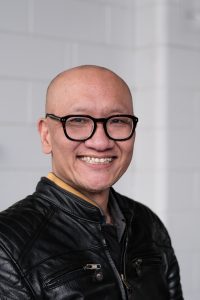
‘While Dr Scandrett served us wonderfully as a COO in an interim capacity and made a very significant contribution, the Governing Board has realised a full-time permanent COO is required as we move into the future,’ said Dr Mark Thompson, the College Principal. ‘We are thrilled that Mr Goh has accepted to take up this position, and I look forward to him starting with us.’
Read more . . .
Archbishop gets his MasterChef on during Wahroonga’s mission month
It’s one thing to host evangelistic events at your church. It’s quite another when your outreach function features an apron-clad Archbishop cooking a curry.
“People loved it and really enjoyed hearing from Kanishka – his story, his Sri Lankan background, and he was clearly passionate about Sri Lankan curries as well!” says one of the parish’s assistant ministers, the Rev Gavin Parsons.
Read more . . .
Book Review: Living Without Fear – Using the Psalms to End Your Worry and Anxiety
Dr Kirsten Birkett brings a wide range of intellectual interests to the Psalms. She has written books on science and the Christian faith, the epistemology of the Reformers, the spiritual practices of the Puritans, psychology, feminism, and the family. While on faculty at Oak Hill College, London, she also published in the area of pedagogy and theological education. Her latest book, in three small volumes, draws on many of these interests. As the subtitle clarifies, Living Without Fear seeks to address our anxieties, and Birkett applies tools from psychology and the science of human behaviour to the task. Fears are often deep-rooted and hard to alter, but pedagogical insights can help us move knowledge from the head to the heart. Most importantly, however, Birkett understands that the answer to our fears does not lie within, nor in anything we might do to alter our circumstances, but is only found in knowing God himself.
Read more . . .
Biblical Languages in the Early Modern Period at the Donald Robinson Library
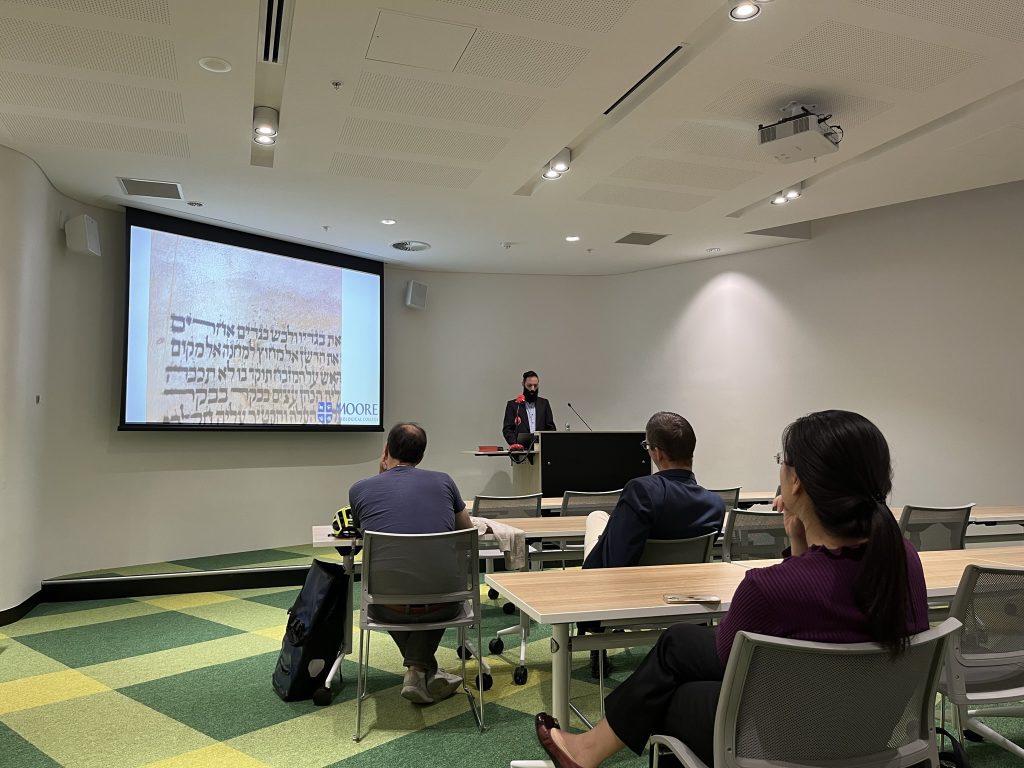
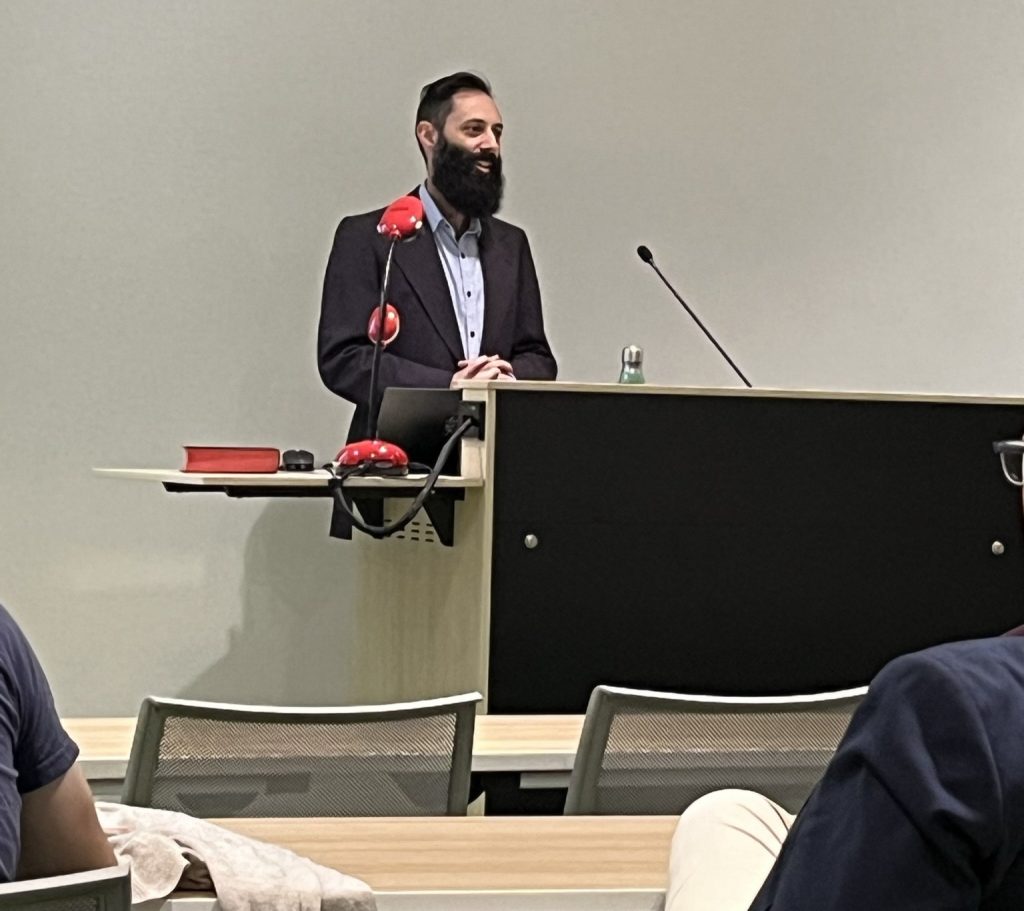
On the 12th of April, the Donald Robinson Library of Moore Theological College hosted an insightful seminar titled “Biblical Languages in the Early Modern Period.” The event featured speaker Douglas Fyfe, a pastor, Hebrew and Old Testament tutor, and PhD candidate at Sydney University. Fyfe’s expertise on biblical languages provided attendees with a fascinating overview of the publication of early modern Hebrew Bibles, the development of the standard order for biblical books, and how they shaped the field of biblical studies.
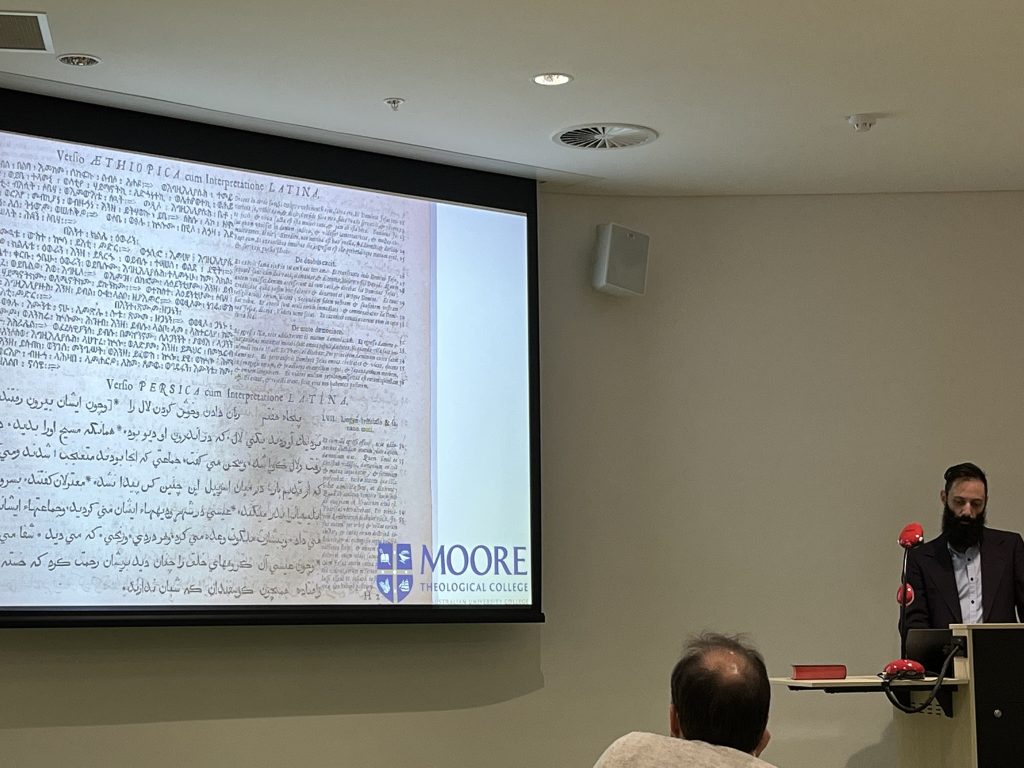
The seminar began with an introduction to the early modern period, a time of significant scholarship in biblical languages. The invention of the printing press in the 15th century paved the way for numerous key editions of the Hebrew Bible and Greek New Testament to be published by major printing houses. The emergence of polyglot Bibles, such as Brian Walton’s 1657 Biblia Sacra Polyglotta, also allowed scholars to compare linguistic differences and similarities across different languages.
The seminar also highlighted several early works on display at the Donald Robinson Library’s lower ground floor. These exhibits showcased rare and valuable examples of early modern printed editions alongside two 19th century manuscripts, providing attendees with a unique opportunity to examine these artifacts up close. Fyfe’s expertise and guidance made the examination of these works an enlightening and engaging experience for all in attendance.
Throughout the event, Douglas Fyfe demonstrated his passion for the subject by sharing his extensive knowledge of the Old Testament and the Hebrew language. His background as a pastor, tutor, and researcher allowed him to provide a well-rounded and insightful perspective on the importance of biblical languages in the early modern period.
The event not only showcased the significance of the printing press and early modern manuscripts in shaping the field of biblical studies but also highlighted the importance of preserving these historical artifacts for future generations. Douglas Fyfe’s engaging presentation and the opportunity to examine rare biblical works made the event a memorable and enriching experience for all who attended.
New Testament lecturer Chris Conyers attended the event and reflected on it afterwards: “Printed texts are everywhere today, but seeing the care and effort that went into books in previous ages reminds us how precious a book can really be. I was especially struck by the way Hebrew scribes went to so much effort to make their text look special by putting crowns on every letter! It was also incredible to see an interlinear Bible from 1608, designed to help the Latin speaker learn Hebrew – I never would have guessed that such a thing existed, but it’s a great insight into how our forbears studied the scriptures.”
Erin Mollenhauer, the Senior Archivist of the Donald Robinson Library, shared her thoughts on the event, saying, “It was a privilege to host Douglas Fyfe and have our guests explore the rich history of biblical languages. His expertise brought these artifacts to life, inspiring a deeper appreciation for the scholarly work of the early modern period. We hope this event fosters continued interest in our collection and the invaluable knowledge it holds for understanding the development of biblical studies.”
Read more . . .
Moore College Mission: A Week of Evangelism and Encouragement
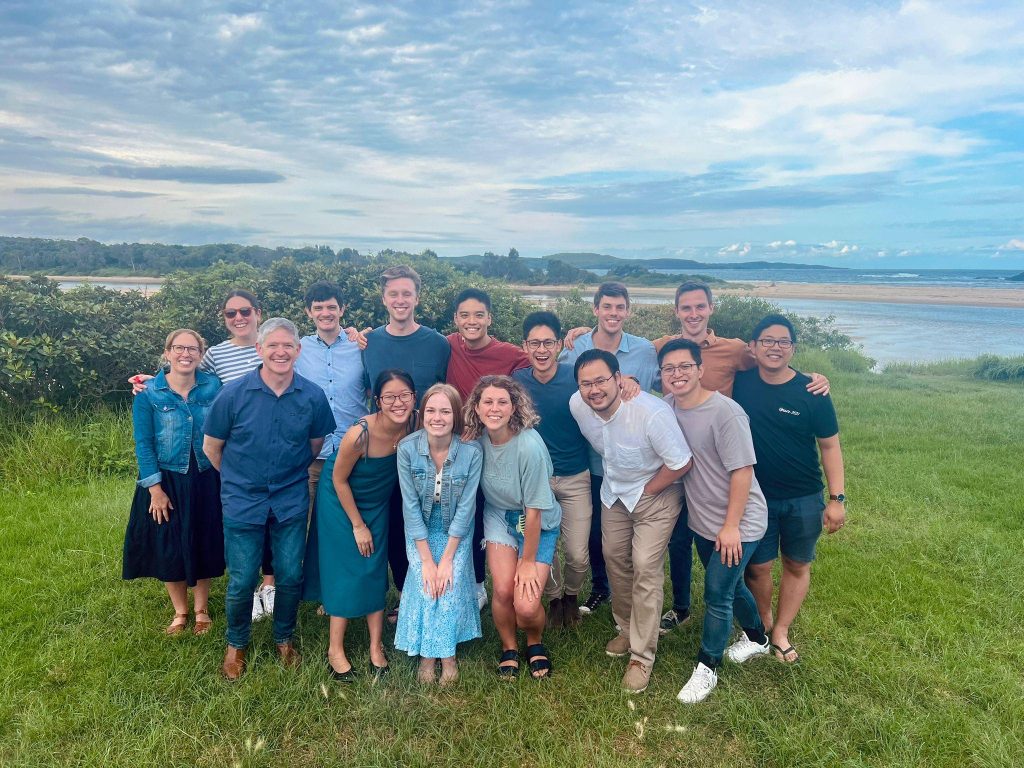
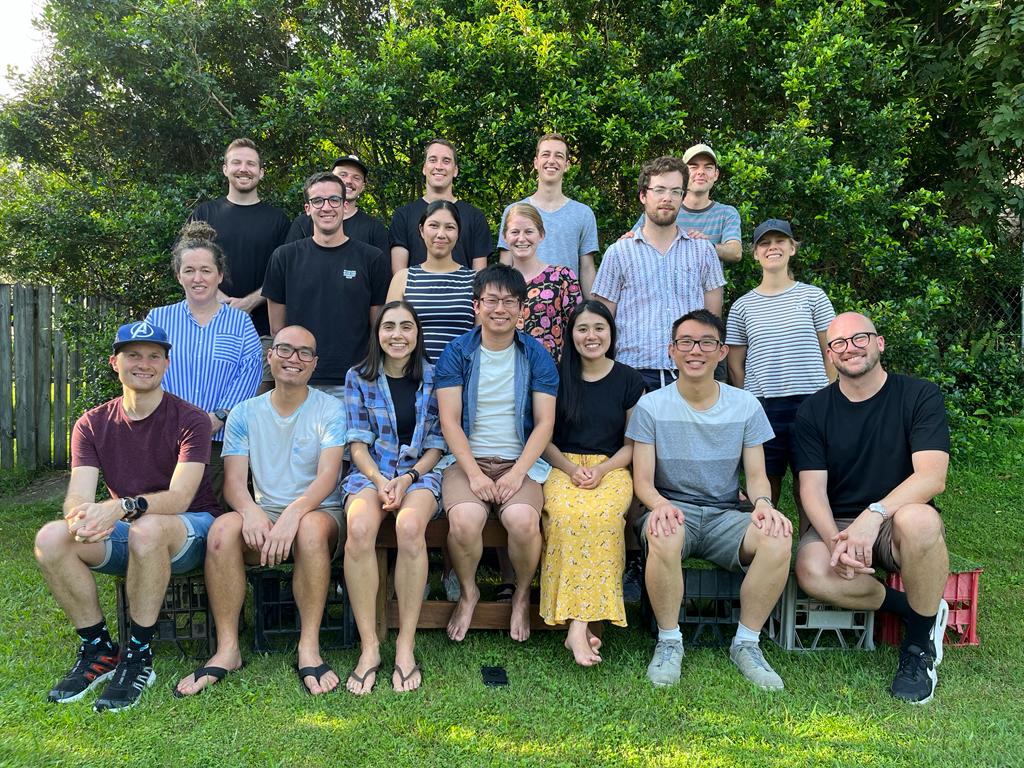
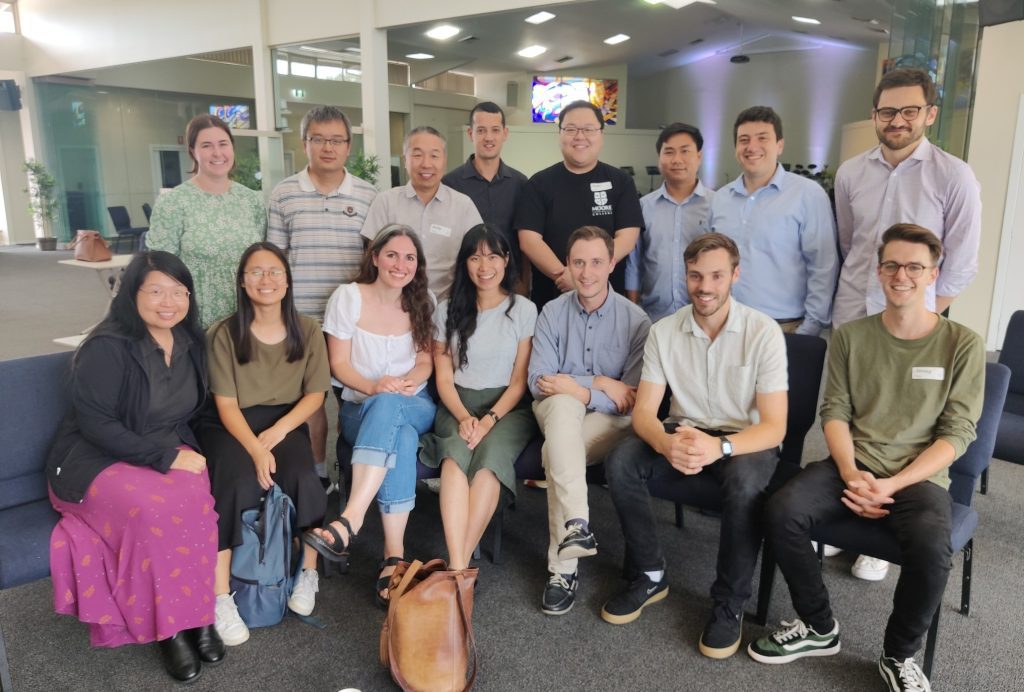
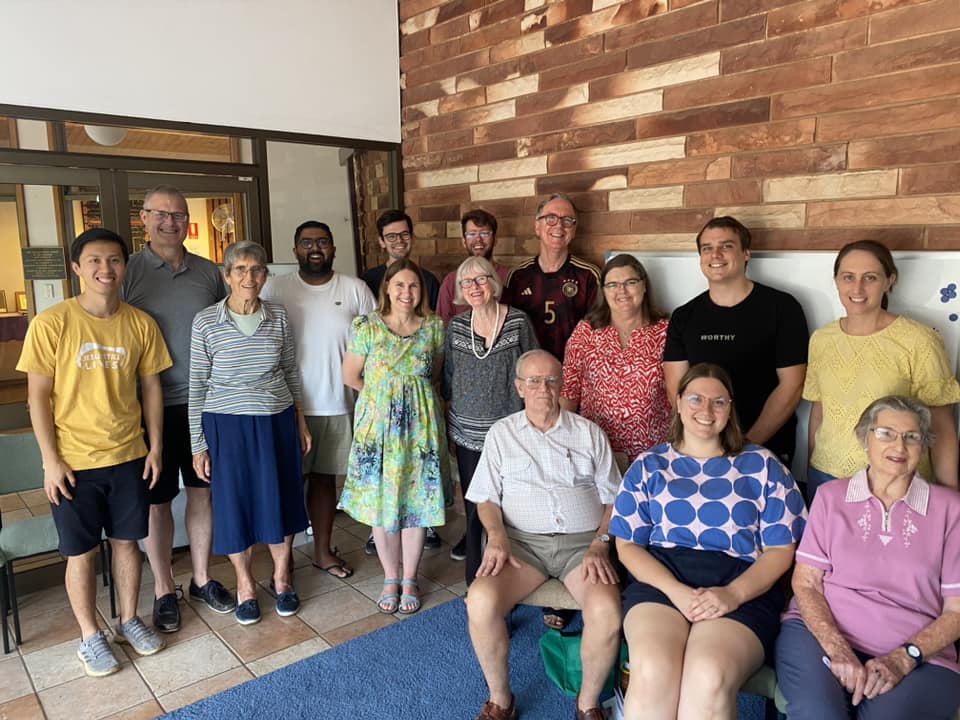
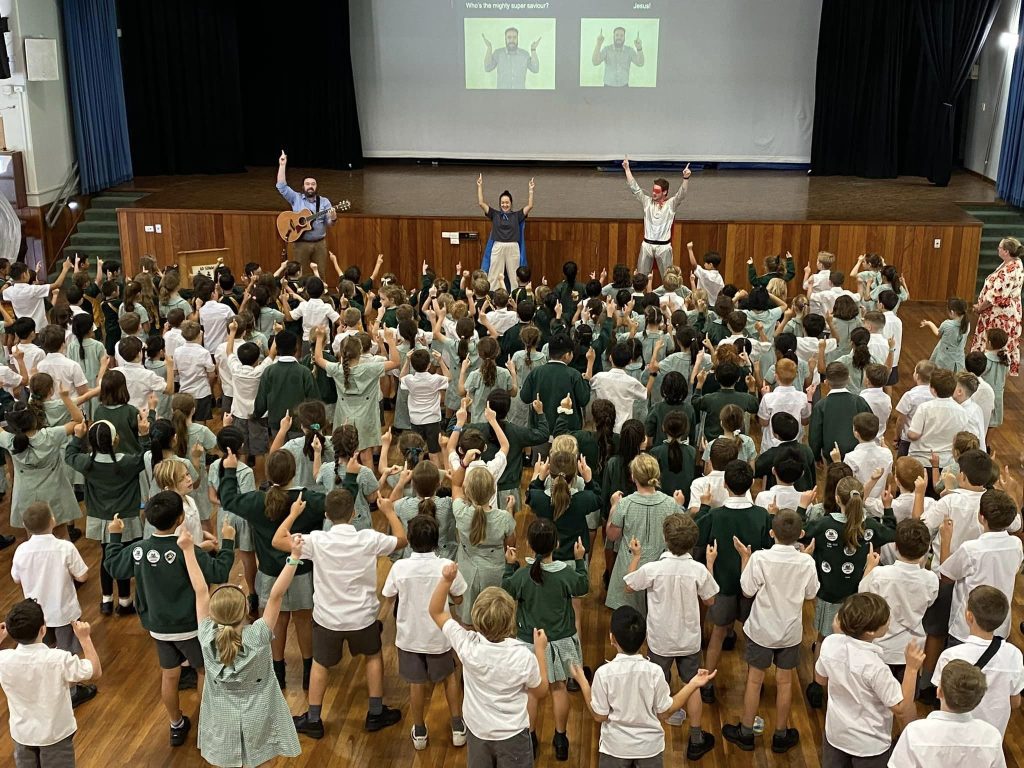
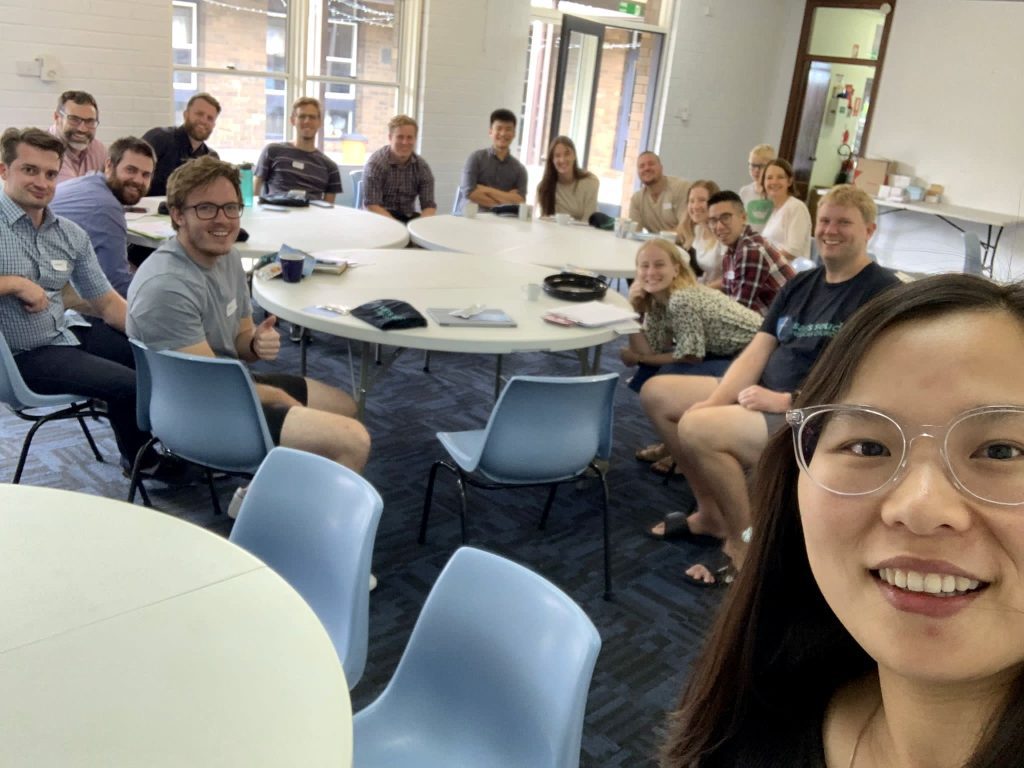
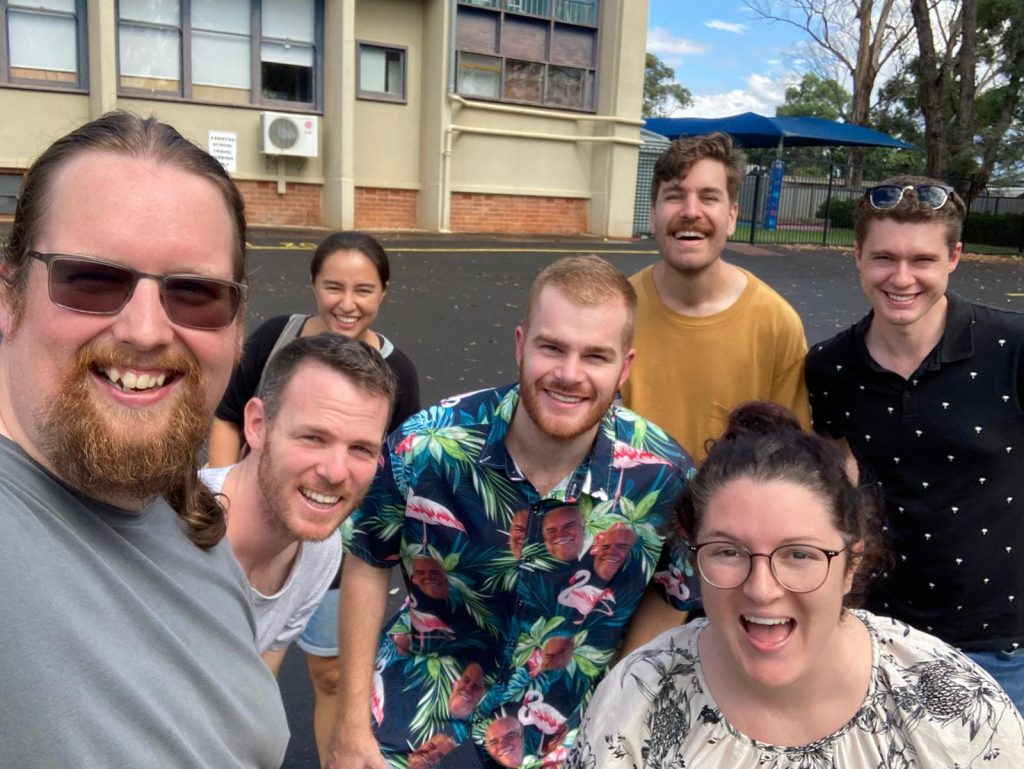
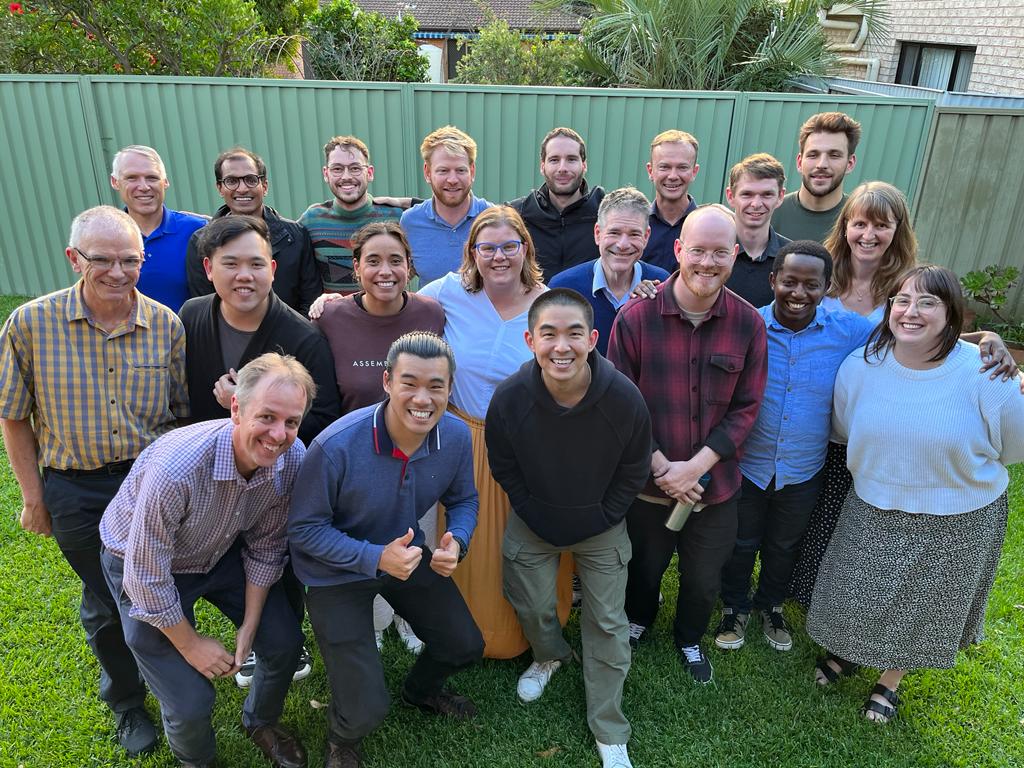
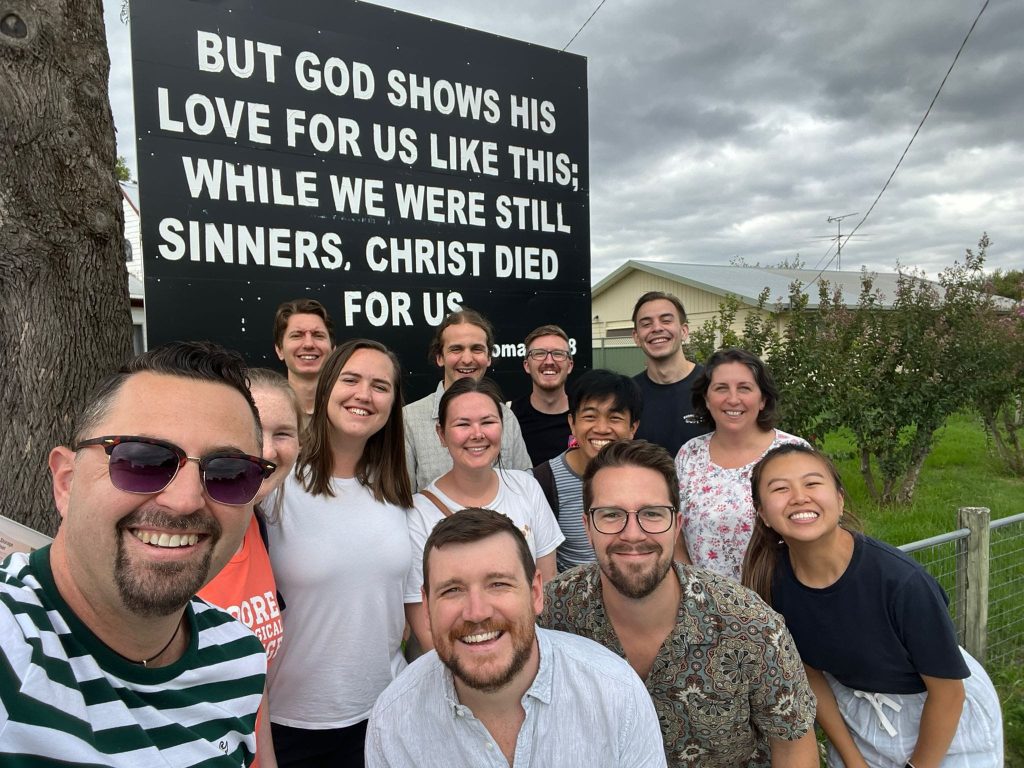
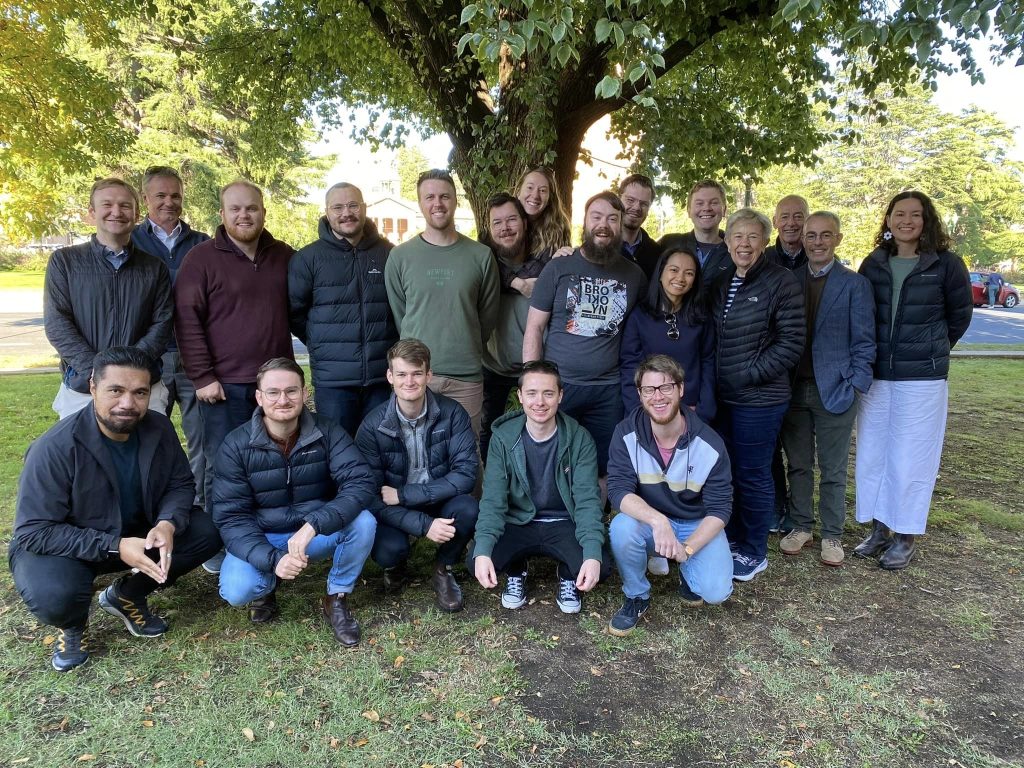
Last week, Moore Theological College students, lecturers, and chaplains left Moore College to spread the gospel across various regions in Australia.
The teams went to 14 different locations, from the lush landscapes of Jamberoo to the vibrant communities of Alice Springs, and from the coastal beauty of Sans Souci to the bustling urban centres of Blacktown and Doonside. These teams join hands with local churches and ministries, working to share the message of hope and salvation throughout our nation.
During their mission trips across Australia, Moore Theological College students and staff members found themselves engaged in encouraging and at times challenging experiences that impacted both the local communities and the mission team members. For example, in Minchinbury and Rooty Hill, students Sarah and Anna had the opportunity to join an afternoon tea with a group of women from Doonside Anglican Church. Sarah shared a touching passage from Luke 7 and her own personal journey to faith as an international student. The group of women displayed immense faith and support for one another, even as they faced personal hardships and health challenges. Their dedication to evangelism and their heart-warming efforts to create a loving family for international students at the church showcased faith in action.
In Albion Park, mission team members joined the Men’s Shed Open Day and connected with older men who eagerly taught them woodworking and metalworking skills. The Men’s Shed ministry offered a valuable space for community building and camaraderie among its members, with one man even crediting the group for saving his life. One of the long-time members, George, shared a remarkable testimony of how he became a Christian through a Moore College mission over 50 years ago, demonstrating the enduring impact of these missions throughout the years.
In Blacktown and Doonside, team members had an insightful conversation with a Muslim man from Pakistan. Despite facing personal challenges, this man showed great interest in understanding the Bible, leading to an in-depth discussion on the Scriptures and the story of Jesus. In Tamworth, the mission team visited the Coledale Anglicare food pantry, connecting with community members over tea and coffee, and assisting with setting up and packing up. This event facilitated an impromptu Bible study and prayer session among indigenous women, bringing much joy and encouragement to the mission team.
These highlights from a few of the mission teams illustrate the experiences and connections formed during the mission trips, as they worked to spread the gospel and support local ministries across Australia.
Moore Theological College Vice Principal Simon Gillam emphasised the importance of mission trips as a crucial aspect of the College experience. He said, ‘Embarking on Mission with Moore College not only allows our students to put their learning into practice but also fosters a deep commitment to God’s work, grounded in the relationships they build along the way. These missions help cultivate a passion for service that extends well beyond their time at the College, shaping them into dedicated ministers who are prepared to make a lasting impact in God’s harvest field.’

Read more . . .